How Dirty Carpets Can Affect Indoor Air Quality in Your Home
Many homeowners focus on dusting surfaces and improving ventilation without realising that carpets can hold a significant amount of hidden pollutants. While carpets add warmth and comfort to a home, they also trap dust, allergens, bacteria, pet dander, and moisture deep within their fibres. Over time, these contaminants can affect indoor air quality and contribute to unpleasant odours and respiratory discomfort. In homes throughout the Southern Highlands, where changing weather conditions often increase indoor living time, maintaining clean carpets plays an important role in creating a healthier home environment.
Hidden Pollutants Trapped Deep Within Carpet Fibres
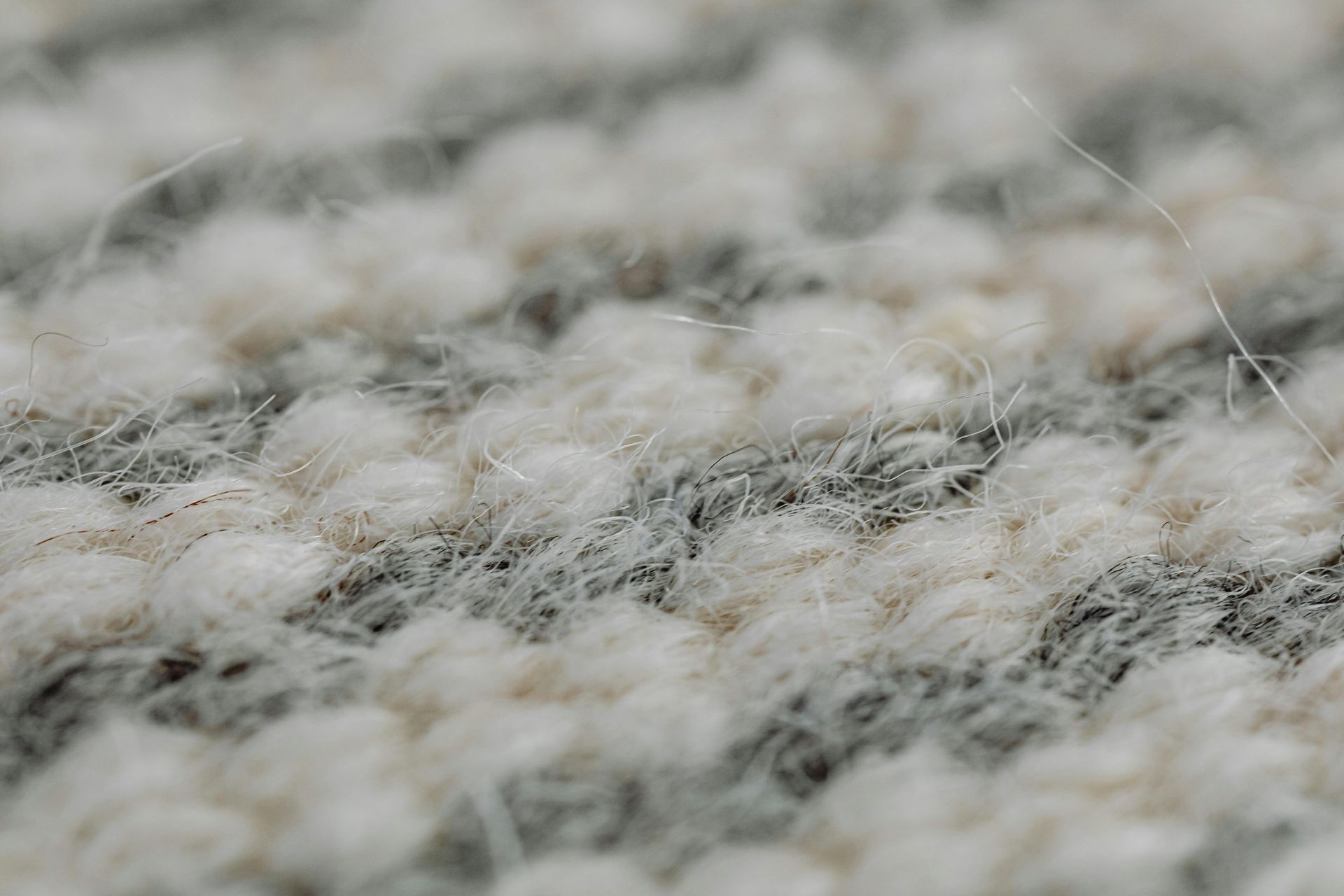
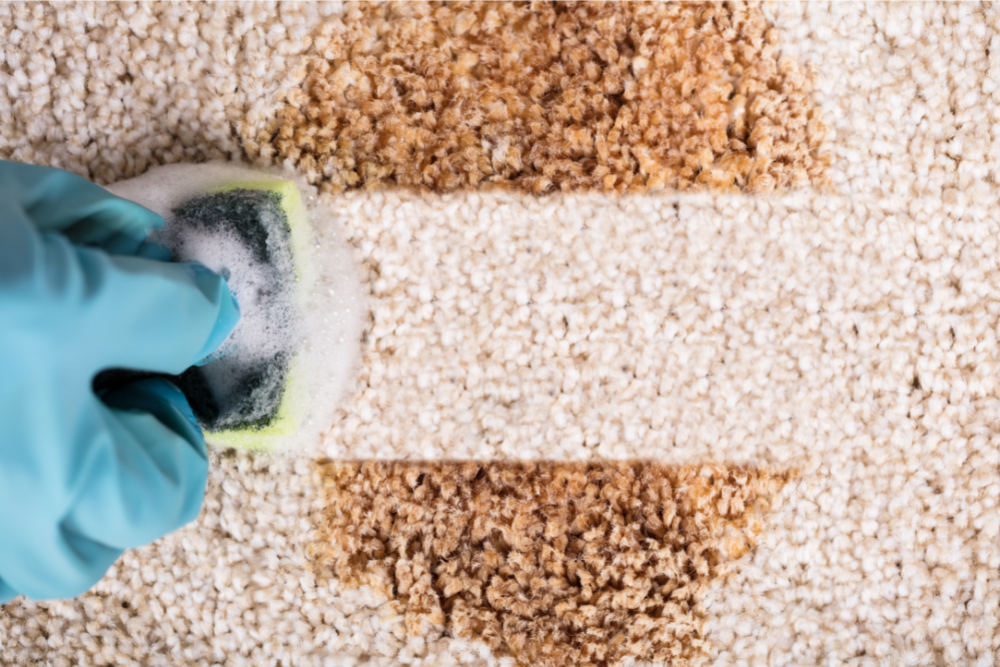
Indoor air quality carpet cleaning home hygiene are closely connected because carpets act like large filters within the home. Every day, dirt, dust, pollen, and microscopic particles are carried inside through shoes, pets, clothing, and open windows. While some of these contaminants remain visible on the surface, many settle deep within carpet fibres where ordinary vacuuming cannot fully remove them.
As people walk across carpets, trapped particles become disturbed and re-enter the air. This process happens continuously throughout the day, especially in high-traffic areas such as living rooms, hallways, and bedrooms. Even carpets that appear clean on the surface may contain large amounts of hidden pollutants beneath the fibres.
Dust mites are one of the most common contributors to poor indoor air quality associated with dirty carpets. These microscopic organisms thrive in warm, soft environments and feed on dead skin particles naturally shed by humans and pets. Although invisible to the naked eye, dust mites and their waste products can trigger allergies, asthma symptoms, sneezing, and skin irritation.
Pet owners often experience additional indoor air quality challenges because carpets readily absorb pet hair, dander, dirt, and oils. Over time, these contaminants accumulate within the fibres and contribute to lingering odours and airborne allergens. Homes with multiple pets may require more frequent professional carpet cleaning to maintain healthier indoor conditions.
Moisture also plays a major role in carpet contamination. In the Southern Highlands, cooler weather and seasonal humidity can increase moisture retention inside homes. When carpets absorb moisture from spills, wet shoes, or humid conditions, bacteria and mould growth may begin developing beneath the surface. This hidden microbial growth can release unpleasant smells and airborne particles that affect breathing comfort.
Common contaminants hidden in carpets include:
● Dust and dirt particles
● Pet dander and hair
● Pollen and outdoor allergens
● Bacteria and mould spores
● Food particles and organic debris
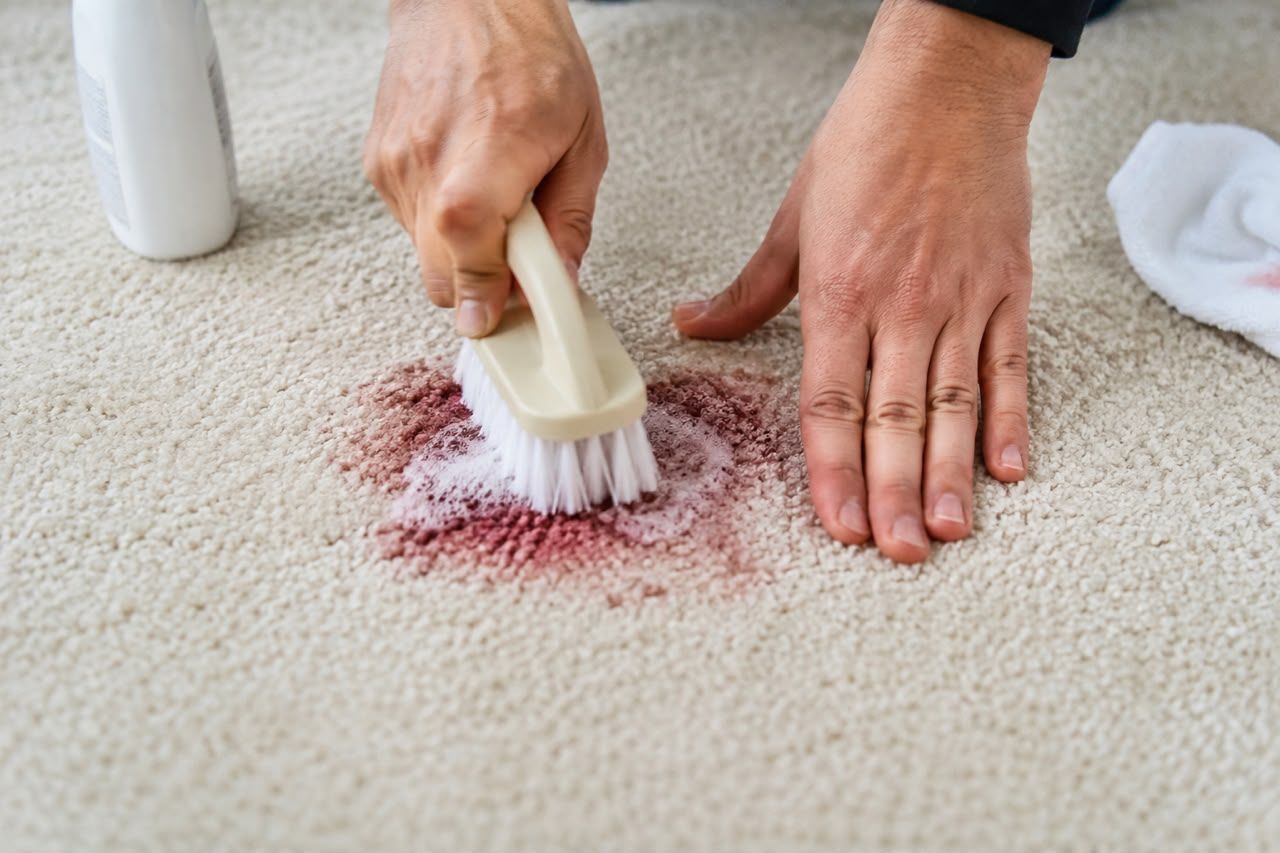
Another overlooked issue is chemical residue. DIY carpet cleaning products sometimes leave behind detergent residue that attracts additional dirt over time. This buildup can trap even more pollutants and reduce carpet cleanliness despite repeated cleaning attempts.
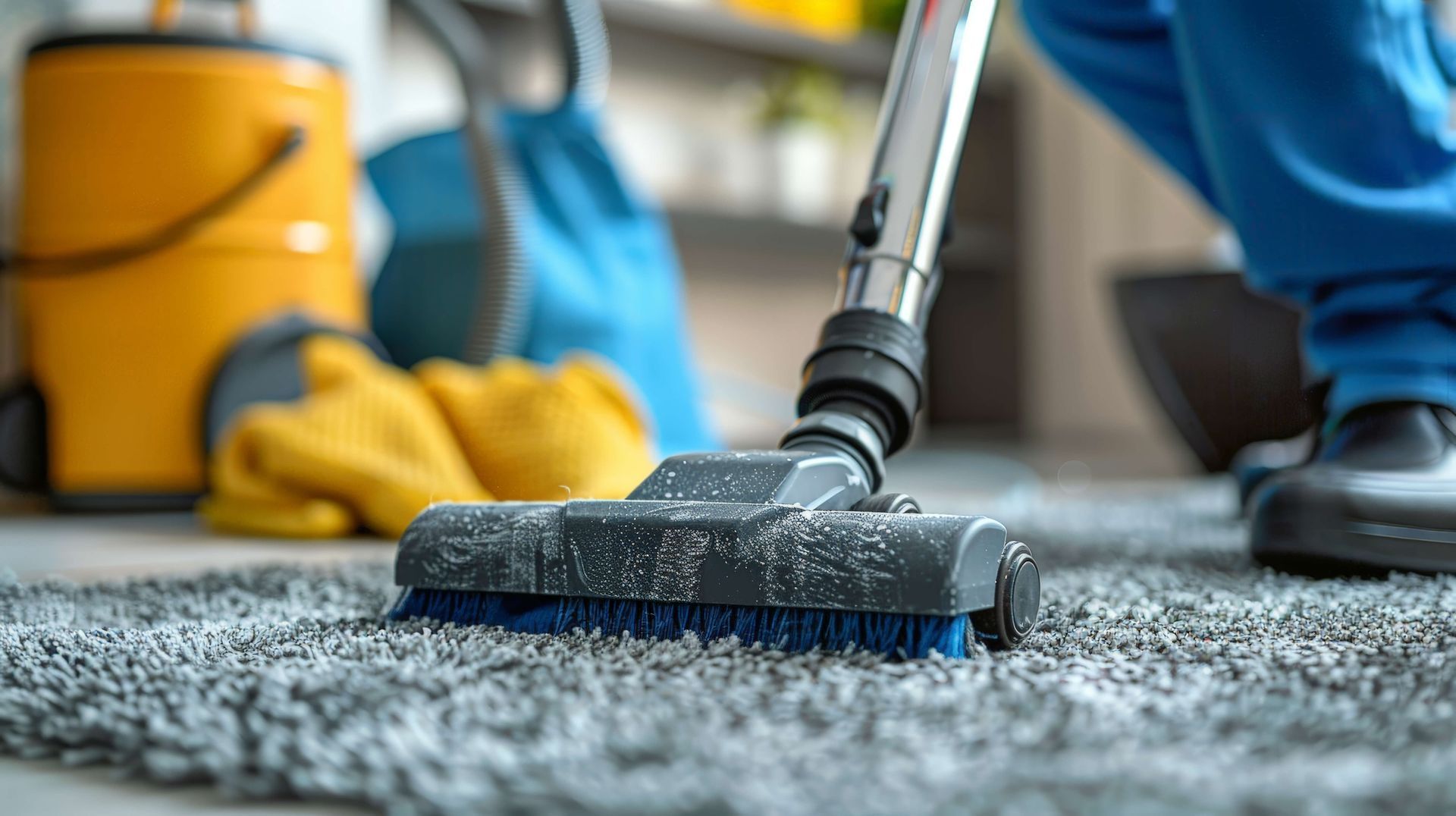
Professional steam cleaning removes contaminants more effectively by extracting dirt and bacteria from deep within the carpet fibres. Unlike standard vacuuming, deep cleaning methods target embedded particles that directly affect indoor air quality and household hygiene.
Poor Carpet Hygiene Can Contribute to Health and Respiratory Problems
Professional carpet cleaning respiratory health allergy prevention become increasingly important when indoor pollutants begin affecting daily comfort and wellbeing. Dirty carpets may not immediately cause obvious illness, but long-term exposure to airborne contaminants can contribute to persistent respiratory irritation and allergic reactions.
Children and elderly individuals are often more sensitive to indoor air quality issues because they spend more time indoors and may have more vulnerable respiratory systems. Young children also spend considerable time playing on carpets, increasing direct exposure to dust, allergens, and bacteria trapped within the fibres.
People with asthma or allergies may notice symptoms worsening in homes with poorly maintained carpets. Sneezing, coughing, watery eyes, congestion, and breathing discomfort can all be linked to airborne particles released from dirty flooring. In some cases, homeowners assume seasonal allergies are responsible when indoor contaminants are contributing significantly to symptoms.
Mould growth within carpets presents another serious concern. Moisture trapped beneath carpet fibres creates ideal conditions for mould spores to develop, especially in areas with poor ventilation or unnoticed water damage. Once mould begins growing, spores can circulate through the air and affect overall indoor air quality.
Persistent odours are often another sign of hidden contamination. Carpets absorb spills, moisture, pet accidents, smoke particles, and everyday.
Moisture Build-Up in Carpets Can Encourage Hidden Contaminants
Moisture trapped within carpets can significantly affect indoor air quality, particularly in homes with poor ventilation or high humidity levels. Many homeowners do not realise that carpets absorb moisture from wet shoes, spills, pet accidents, steam from bathrooms, and even humid outdoor air brought inside. Over time, this trapped moisture creates an environment where mould spores, mildew, and bacteria can begin developing beneath the carpet surface and within the underlay.
Unlike visible stains or dirt marks, moisture-related contamination often develops gradually and remains hidden for long periods. A carpet may appear clean on the surface while harbouring bacteria and mould underneath. As air moves throughout the home through fans, air conditioning systems, or regular foot traffic, microscopic particles from these contaminants can become airborne and circulate through living areas. This may contribute to musty odours, stale indoor air, and increased irritation for individuals with allergies or respiratory sensitivities.
Homes in the Southern Highlands can be particularly vulnerable during colder months when windows remain closed for extended periods and indoor airflow becomes limited. Combined with damp weather conditions, carpets may struggle to dry completely after spills or DIY cleaning attempts. In some cases, homeowners unintentionally worsen the problem by overusing water-based cleaning machines without sufficient extraction power to remove deep moisture properly.
Professional carpet cleaning helps reduce these risks through high-powered extraction methods that remove both embedded dirt and excess moisture more effectively than standard household equipment. Proper drying processes are also essential for preventing mould growth after cleaning. By keeping carpets clean and dry, homeowners can improve indoor air quality, reduce hidden contaminants, and create a fresher and healthier home environment year-round.
Conclusion
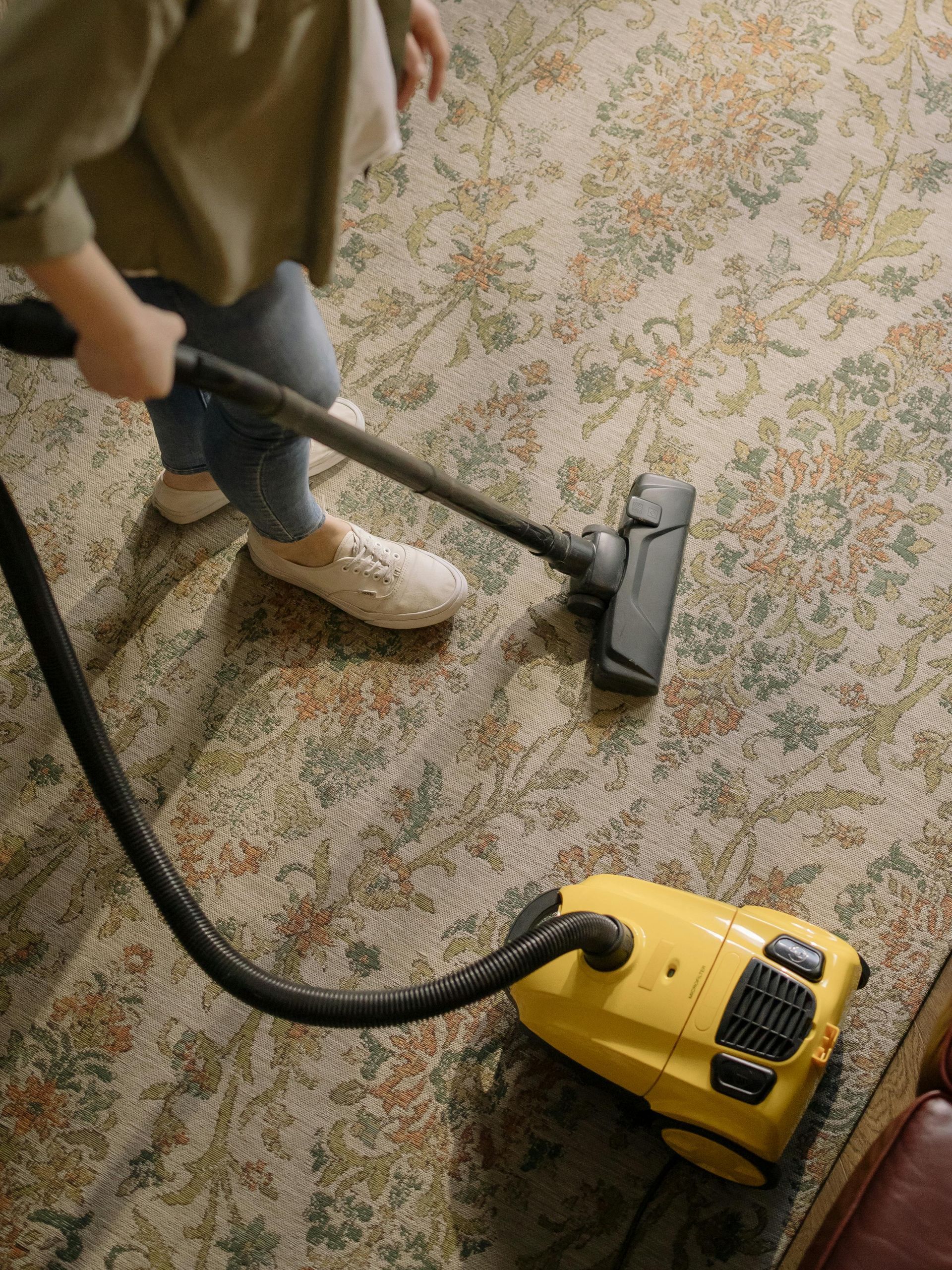
Dirty carpets affect far more than the appearance of a home. Over time, carpets collect dust, allergens, pet dander, bacteria, mould spores, and other airborne contaminants that can gradually reduce indoor air quality. As people walk across carpeted surfaces, these trapped particles can circulate back into the air, potentially contributing to respiratory irritation, unpleasant odours, and a less hygienic living environment. Regular vacuuming helps with surface maintenance, but deep contaminants often remain embedded within carpet fibres without professional cleaning.
Professional carpet cleaning plays an important role in maintaining a healthier indoor environment and extending carpet lifespan. Steam cleaning and deep extraction methods help remove built-up pollutants that ordinary household cleaning cannot fully eliminate. For households in the Southern Highlands, where seasonal moisture and indoor heating can influence air circulation and humidity levels, routine professional carpet cleaning helps create cleaner, fresher, and more comfortable living spaces for families and visitors alike.
About Southern Highlands Carpet Cleaning
Southern Highlands Carpet Cleaning provides professional carpet cleaning services for residential and commercial properties throughout the Southern Highlands region. The company specialises in steam carpet cleaning, stain removal, odour treatment, upholstery cleaning, and deep extraction services designed to improve carpet hygiene and indoor air quality. With experience handling local environmental conditions and high-traffic flooring areas, their team uses professional-grade equipment and effective cleaning methods to remove deeply embedded dirt, allergens, and bacteria. Customers benefit from reliable service, improved carpet longevity, healthier indoor environments, and tailored cleaning solutions suited to homes and businesses across the Southern Highlands.
Ready to work with Southern Highlands Carpet Cleaning?
Let's connect! We’re here to help.
Send us a message and we’ll be in touch.
Or give us a call today at 0290-721-176
Agency Contact Form
More Marketing Tips, Tricks & Tools