Wool Carpet Care: Special Considerations for Highland Homes
Wool carpets bring natural luxury to Southern Highlands homes but require specialized care that differs fundamentally from synthetic carpet maintenance. The region's cool climate and unique environmental conditions create specific challenges for these premium natural fiber investments. Understanding wool's distinctive characteristics and implementing appropriate maintenance strategies helps preserve your carpet's beauty and exceptional longevity in Highland conditions.
Understanding Wool's Unique Properties and Care Requirements
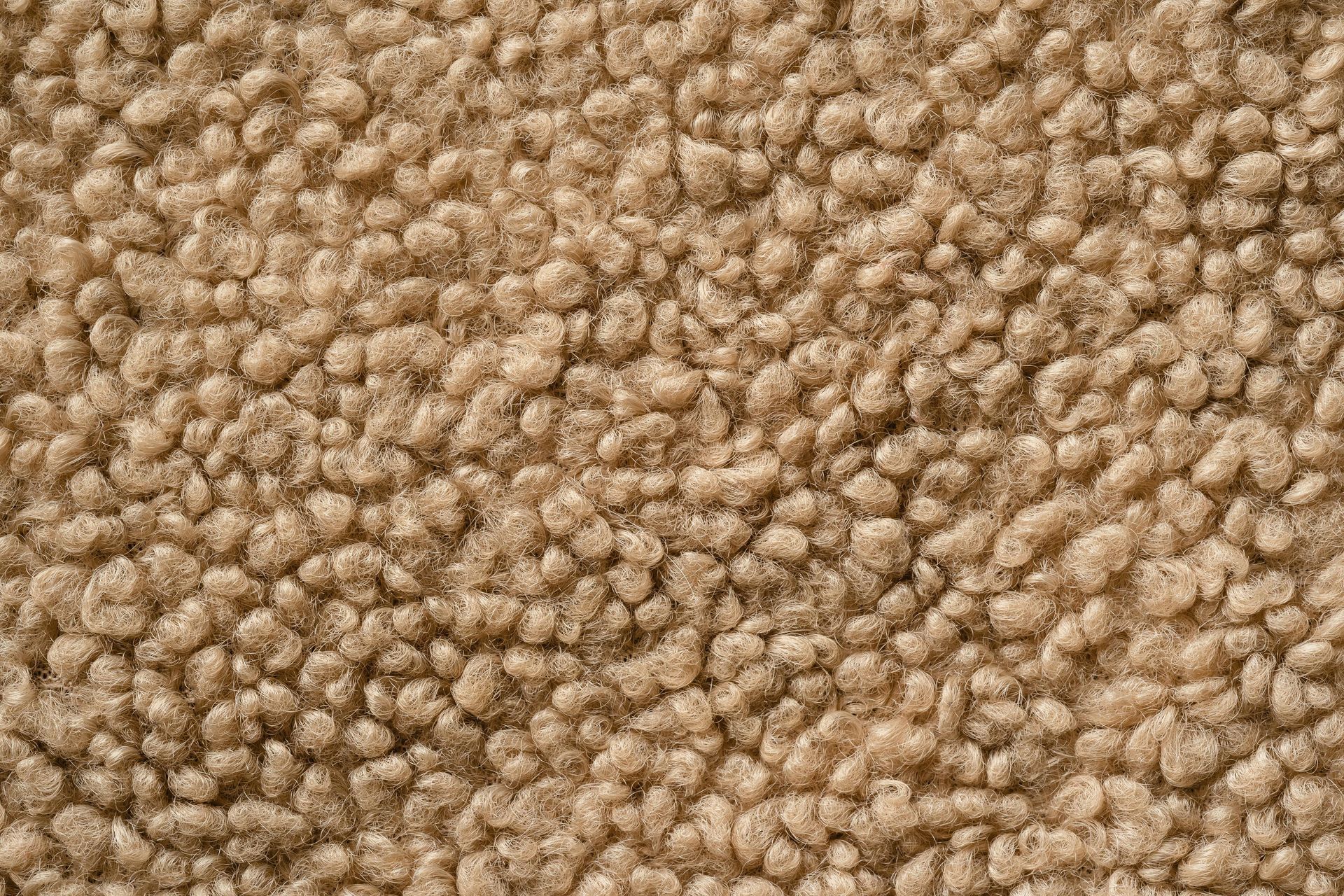
Wool fibres possess a protein-based composition similar to human hair, creating soft, resilient textures that synthetic materials cannot replicate. Individual wool fibres absorb up to 30 per cent of their weight in moisture before feeling wet, making wool naturally breathable but requiring careful moisture management during cleaning. The pH sensitivity of wool protein fibres means highly alkaline cleaning products above pH 9 can cause brittleness, colour fading, and texture deterioration, necessitating pH-neutral or slightly acidic cleaners specifically formulated for natural fibres. Natural lanolin oils coating wool provide inherent soil and water repellency, though cleaning processes gradually remove this protection, making over-cleaning counterproductive and requiring periodic lanolin replacement treatments to restore protective qualities.
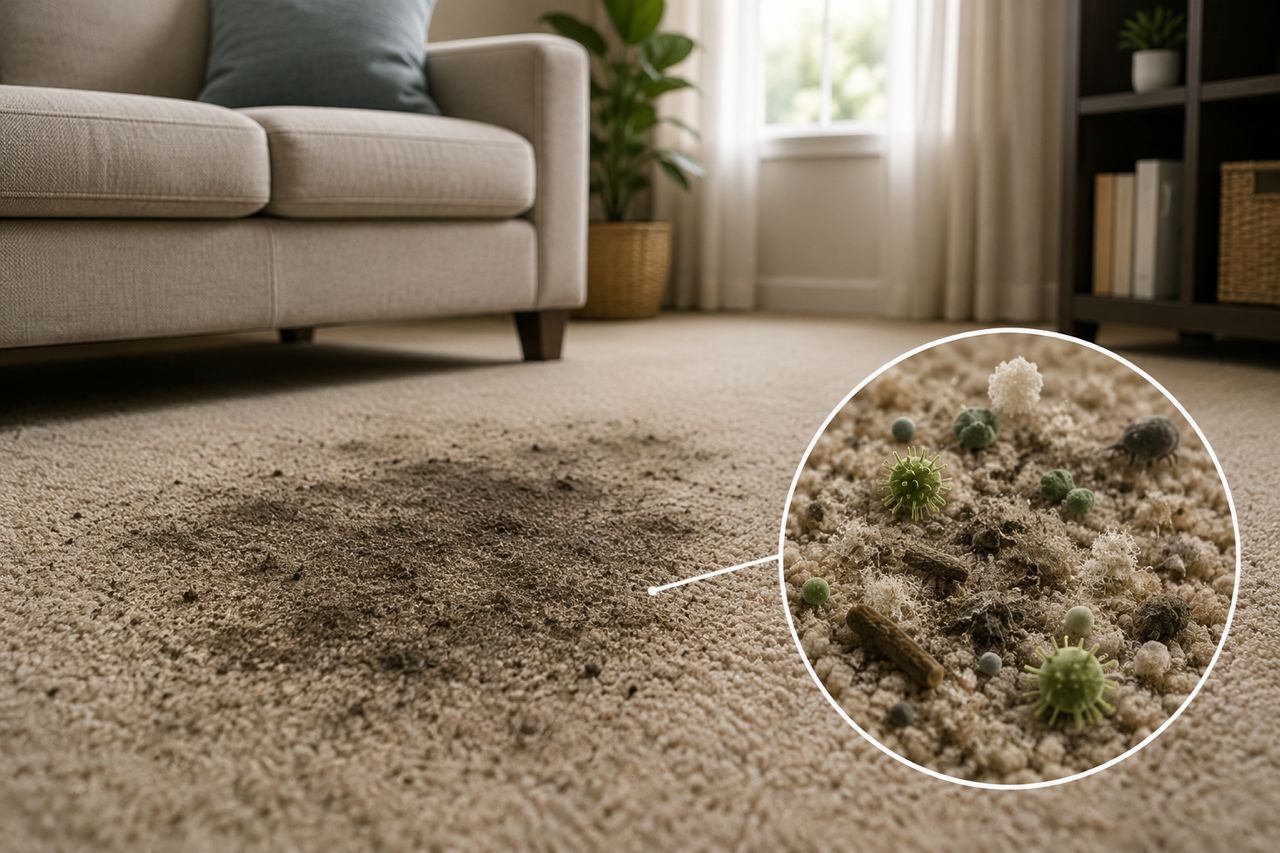
The Southern Highlands' cool temperatures create extended drying times after cleaning or spills, with wool carpets requiring 24 to 36 hours to dry completely in winter compared to 12 to 18 hours in warmer regions. Winter humidity reaching 80 to 90 per cent during foggy periods causes wool to absorb atmospheric moisture and expand slightly, while summer's 30 to 40 per cent humidity prompts contraction, creating natural dimensional changes that proper installation must accommodate. Wood heating, common throughout Highland homes, introduces fine ash and soot particles that settle into wool's crimped fibre structure, requiring more frequent vacuuming than other heating systems, while seasonal mud from clay-based soils creates sticky contamination, particularly challenging during wet winter months.
Proper Cleaning Methods and Professional Care
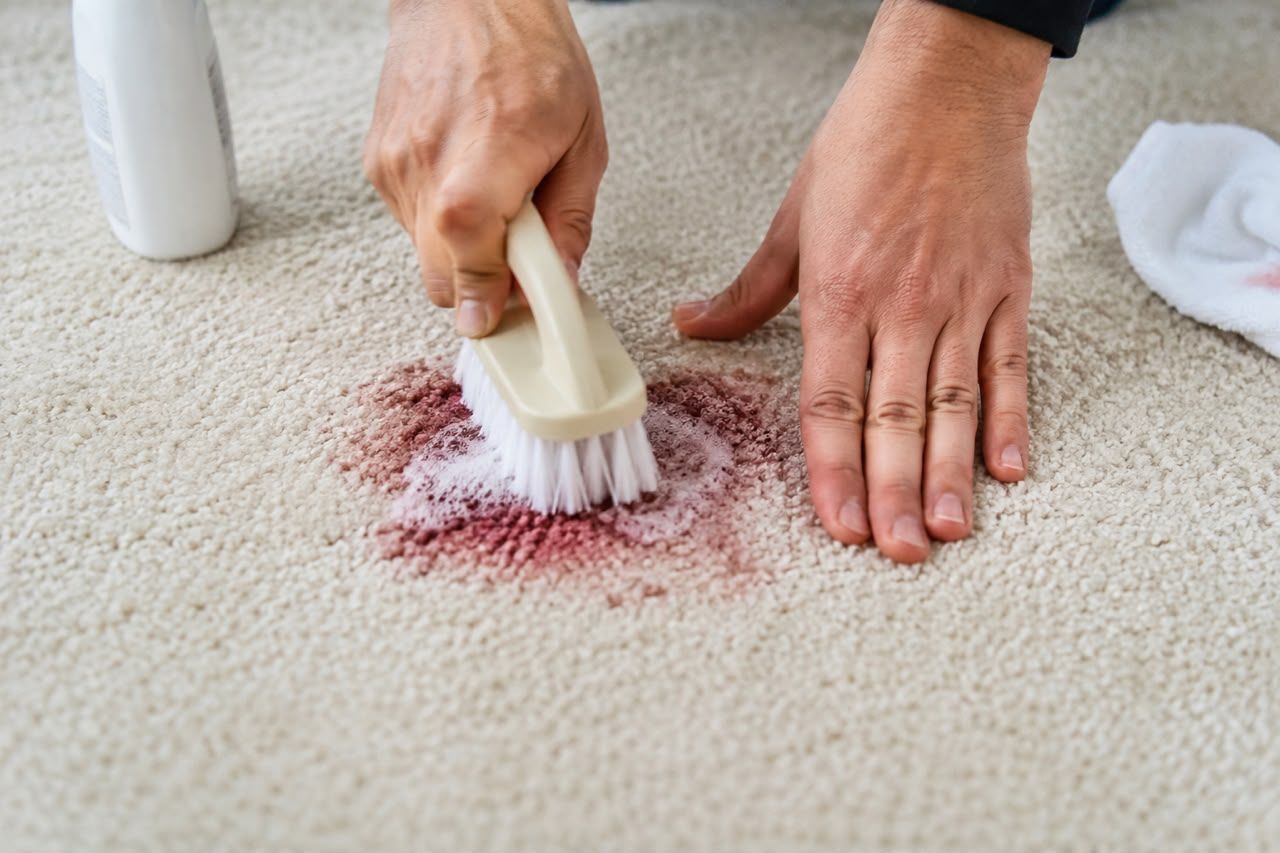
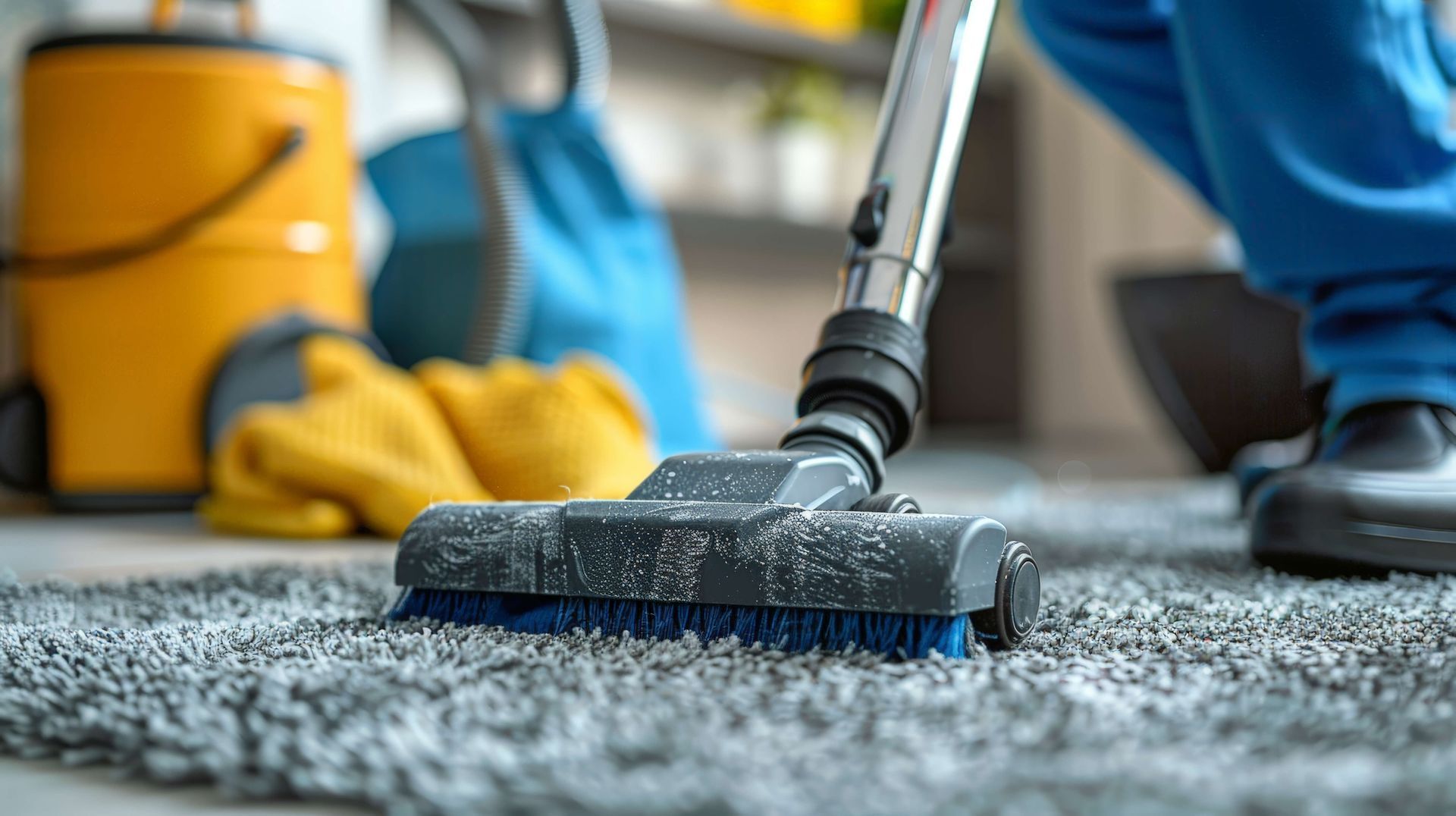
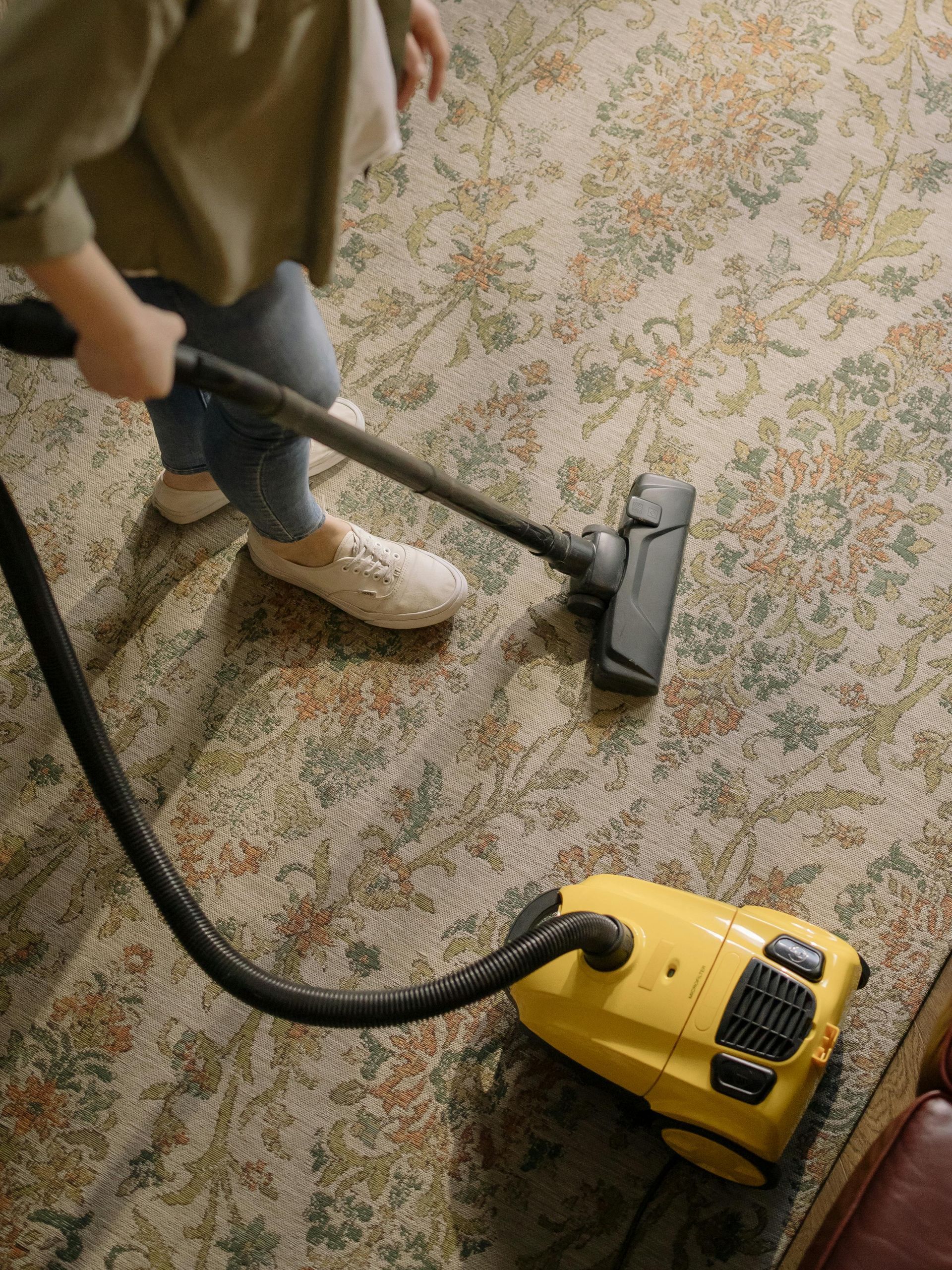
Regular vacuuming using suction-only modes or gentle beater bar settings forms the maintenance foundation, with high-traffic areas requiring twice-weekly attention and entire carpeted areas a weekly minimum to prevent particles from abrading fibres deep in the pile. Fresh spills demand immediate blotting with white absorbent cloths, followed by pH-neutral wool-safe spot cleaners applied from stain edges towards centres, with careful attention to avoid over-wetting that creates extended drying times or colour bleeding risks. Hot water extraction for wool requires modified techniques, including temperatures below 60 degrees Celsius rather than the 80 to 90 degrees used for synthetics, reduced moisture application, and multiple dry extraction passes to minimize drying time. Low-moisture methods, including encapsulation, cleaning, or absorbent compound systems, provide alternatives particularly suited to Highland winters when extended drying becomes problematic.
Professional cleaning frequency should be conservative, typically every 18 to 24 months for residential installations, as over-cleaning strips wool's natural lanolin protection and accelerates wear. Service providers must possess specific wool carpet expertise verified through WoolSafe Organisation certification, indicating training in appropriate methods and approved product use. Pre-cleaning inspection testing for colourfastness and identifying problem areas, use of pH-neutral chemistry specifically formulated for wool, and post-cleaning protector application extending time between cleanings distinguish qualified specialists from general carpet cleaners using inappropriate synthetic carpet methods. Stain management requires specialised approaches, with water-based spills treated using vinegar solutions, protein stains requiring enzyme treatments, oil-based stains needing wool-safe solvents, and challenging tannin stains from red wine or berries demanding immediate professional intervention for best removal chances.
Seasonal Care and Long-Term Value Protection
Southern Highlands' distinct seasons create varying maintenance demands requiring adapted approaches throughout the year. Winter focuses on moisture management through increased ventilation during dry periods, dehumidifier use in damp areas, and vigilant entry mat maintenance during muddy months, with any necessary professional cleaning using low-moisture methods and supplemental heating ensuring adequate drying. Spring's moderate temperatures and humidity provide optimal conditions for annual professional cleaning if needed, typically scheduled in September or October when open windows facilitate rapid drying. Summer requires a UV protection focus, as longer daylight hours and clear conditions increase sun exposure through windows, making window treatments essential for preventing fading on light-coloured wool, while autumn preparation includes thorough vacuuming, entry mat replacement, and addressing stains before winter reduces cleaning options.
Preventive maintenance strategies dramatically reduce soil accumulation and extend the time between professional cleanings. Commercial-grade walk-off mats at least 2 meters long at all entries remove remarkable amounts before reaching carpets, becoming particularly important during wet Highland winters. No-shoes policies eliminating outdoor footwear from carpet contact reduce soil accumulation more than any other single intervention, while furniture coasters prevent compression damage, and periodic furniture rotation equalises wear patterns across carpeted areas. Regular vacuuming under furniture, prompt stain treatment, and strategic use of window treatments, managing UV exposure, and protecting wool investments through simple, consistent practices.
Quality wool carpets in the Southern Highlands commonly remain in excellent condition for 20 to 30 years with proper maintenance, far exceeding typical synthetic carpet lifespans of 8 to 15 years. This exceptional longevity makes wool cost-effective long-term despite higher initial investment, particularly when care includes conservative professional cleaning with appropriate methods, prompt attention to spills and stains, and preventive measures protecting fibers from premature wear. Well-maintained wool carpets enhance property values during sales, as discerning buyers recognize quality natural fiber installations as premium features. Understanding that wool represents renewable resources requiring less production energy than petroleum-based synthetics, combined with biodegradability at the end of life, provides environmental advantages aligning with sustainability values common among Highland residents.
Conclusion
Wool carpets in Southern Highlands homes demand specialised care approaches that recognise natural fibre characteristics, including pH sensitivity, moisture absorbency requiring extended drying times, and inherent soil resistance through lanolin content that over-cleaning can strip away. The region's cool climate with humid winters and significant seasonal variations creates specific maintenance challenges, including prolonged drying periods, increased soiling from wood heating systems, and moisture management requirements that differ substantially from warmer, drier regions. Professional cleaning should occur conservatively every 18 to 24 months using pH-neutral products, low-moisture methods, and WoolSafe-certified specialists who understand wool's unique properties and Highland-specific conditions.
Preventive maintenance, including entry mat systems, no-shoes policies, regular gentle vacuuming, and prompt spot treatment, provides the foundation for wool carpet longevity, with these simple practices preventing most problems before requiring professional intervention. Highland homeowners who implement appropriate care strategies realise an exceptional 25 to 30-year service life that makes premium wool carpets cost-effective long-term investments despite higher initial costs compared to synthetics. The combination of natural beauty, superior performance, environmental sustainability, and remarkable durability when properly maintained makes wool the optimal carpet choice for quality-focused Highland residences, delivering decades of luxury and comfort when care aligns with natural fibre requirements and local climate realities.
About Southern Highlands Carpet Cleaning
Southern Highlands Carpet Cleaning specialises in natural fibre carpet care throughout the region, with extensive experience maintaining wool carpets in the area's unique cool climate conditions. Their technicians maintain WoolSafe certification, demonstrating specialised training in wool carpet cleaning using pH-neutral products and low-moisture techniques that protect delicate natural fibres. Understanding that Highland wool carpets require longer drying times during cool, humid months, they schedule services strategically and use moisture extraction methods optimised for local conditions. Southern Highlands Carpet Cleaning provides comprehensive wool services, including modified hot water extraction, specialised stain treatment, fibre protection application, and moth prevention treatments, with conservative cleaning schedules that preserve wool's natural protective oils rather than over-cleaning that strips benefits and accelerates wear.
Ready to work with Southern Highlands Carpet Cleaning?
Let's connect! We’re here to help.
Send us a message and we’ll be in touch.
Or give us a call today at 0290-721-176
Agency Contact Form
More Marketing Tips, Tricks & Tools